
As the days get shorter and temperatures drop, winterizing your home becomes crucial for staying warm, preventing damage, and saving on energy bills. Winter can be tough on your home, but with the right preparations, you can keep it cozy, safe, and in excellent condition. Here’s a guide with essential tips to help you maintain your home throughout the winter months.
One of the first tasks for winter home maintenance is to inspect and seal windows and doors. Windows and doors are common sources of drafts that can make your home feel colder and drive up heating costs. Carefully check each window and door frame for cracks or gaps that might let in cold air, and use weatherstripping or caulk to seal these openings. If you live in an area with particularly harsh winters, consider adding storm windows. These create an extra barrier against the cold, adding insulation and increasing your home’s energy efficiency. A simple way to detect drafts is by holding a candle or incense stick near windows and doors; if the flame flickers or smoke shifts, it’s a sign that there’s a draft needing attention. Even small gaps can contribute to heat loss over time, making it worth the effort to secure every seal.
Your heating system is the heart of a comfortable winter home, so keeping it in good working order is essential. Start by scheduling a professional inspection for your furnace, boiler, or heat pump. An HVAC technician can clean any buildup and ensure all components are functioning properly. Additionally, it’s important to replace air filters monthly during winter. Clean filters allow warm air to flow freely, improving the system’s efficiency and lowering heating costs. If you have a hot water heating system, bleed the radiators to remove any trapped air, which helps them heat up evenly and reduces strain on the system. For added convenience, consider upgrading to a programmable or smart thermostat if you haven’t already. This small investment helps you manage heating more efficiently by allowing you to lower the temperature when you’re away and automatically warm up the house before you return.
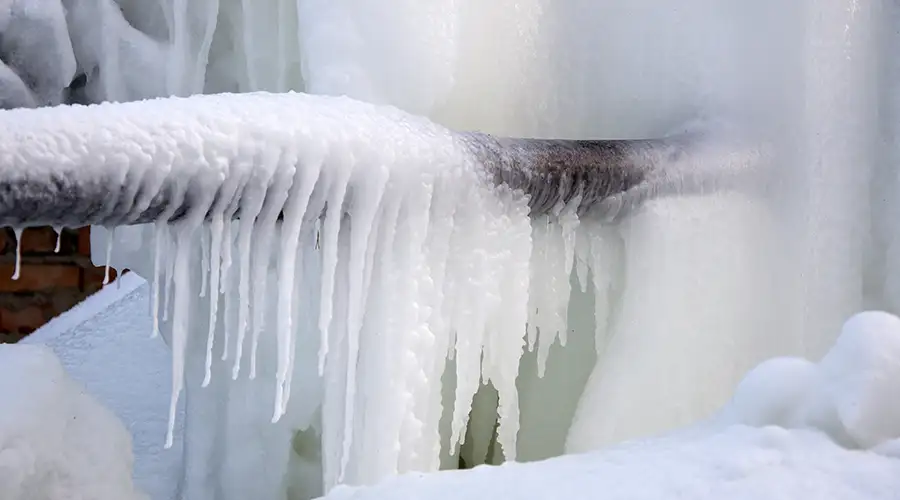
Frozen pipes are one of the most common—and costly—winter hazards, so it’s essential to insulate your pipes to prevent freezing. When temperatures drop significantly, unprotected pipes are at risk of freezing and bursting, causing extensive water damage. To avoid this, insulate exposed pipes in unheated areas like basements, attics, and garages with foam insulation, which is simple to install and effective against freezing. Additionally, during extreme cold snaps, leave a trickle of water running from faucets connected to exposed pipes; the slight movement of water helps reduce the likelihood of freezing. If your home is older and lacks modern insulation, adding insulation to walls, floors, and attic spaces can help retain heat, protect pipes, and keep your home warmer overall.
Keeping your gutters and downspouts clear is another key step in winterizing your home. When gutters are clogged, ice dams can form, causing melted snow to back up under your roof shingles and potentially leading to leaks and water damage. Before winter sets in, thoroughly clean your gutters, removing leaves, twigs, and debris, and clear the downspouts to allow water to drain freely. For added protection, you might consider installing gutter guards if you live in an area with heavy snowfall. These prevent debris from accumulating, which reduces the risk of ice dams. Check gutters regularly, especially during late autumn, when falling leaves can still cause blockages.
Winter is also a critical time to test your smoke and carbon monoxide detectors, as heaters, fireplaces, and space heaters are used more frequently, increasing the risk of fire and carbon monoxide (CO) exposure. Test all smoke and CO detectors in your home, and replace batteries if needed. If any detectors are over ten years old, replace them to ensure optimal performance. Detectors with long-lasting lithium batteries or hard-wired units with backup batteries provide added reliability, so you don’t have to worry about replacing batteries mid-winter.
Winter weather can be hard on your roof, so inspecting it and preparing the attic space is essential. Check for damaged or missing shingles, as well as any cracks or holes that could worsen over winter and lead to costly repairs. Clear off any lingering debris, like leaves or small branches, as these can trap moisture and lead to ice buildup. If your region experiences heavy snowfall, invest in a roof rake to safely remove snow and reduce the risk of ice dams. Additionally, adding insulation to your attic helps retain warm air, lowering heating costs and preventing ice formation on your roof, which can extend its lifespan by minimizing temperature-related expansion and contraction.
Winterizing your outdoor faucets and sprinkler systems is also important to prevent frozen pipes and fixtures. Disconnect and drain all garden hoses, and turn off the water supply to outdoor faucets. Cover these exterior faucets with insulated covers for added protection. If you have a sprinkler system, make sure to drain it and blow out the lines to prevent any water from freezing inside. Many landscaping companies offer this service, but with the right equipment, you can also do it yourself.
Safety on walkways and driveways becomes especially important in winter to avoid slips and falls. Before the first snowfall, stock up on ice melt or rock salt, and have a shovel or snow blower ready. Clearing snow early and often prevents it from hardening into ice, making it easier to manage. For particularly icy areas, spreading sand or cat litter provides extra traction, which is especially helpful for homes with elderly family members or frequent visitors.
Winter storms can sometimes lead to power outages, particularly in areas prone to heavy snow or high winds. Prepare an emergency kit with essentials like blankets, bottled water, non-perishable food, flashlights, batteries, and a first-aid kit, and store it in an easily accessible place like a hallway closet. In regions with frequent outages, a backup generator can be a worthwhile investment. Even a small generator can power essential items, such as heaters, refrigerators, and medical devices, allowing you to stay safe and comfortable during an outage.
While winterizing your home may seem daunting, these proactive steps can help you protect it from the elements, keep your energy bills in check, and ensure a cozy environment for your family. From sealing windows and maintaining heating systems to preparing for power outages, each task contributes to a safer, warmer, and more efficient home. A little preparation now will make your winter far more enjoyable—and a lot less stressful.